Feeding the Future: Women Leading the Next Food Revolution
To mark International Women’s Day 2026, Les Dames d’Escoffier London brought together leading voices from across the food world at Fortnum & Mason’s Food Studio for a powerful conversation exploring sustainability, ethical farming and the future of food. Dame Helen Collier reports.
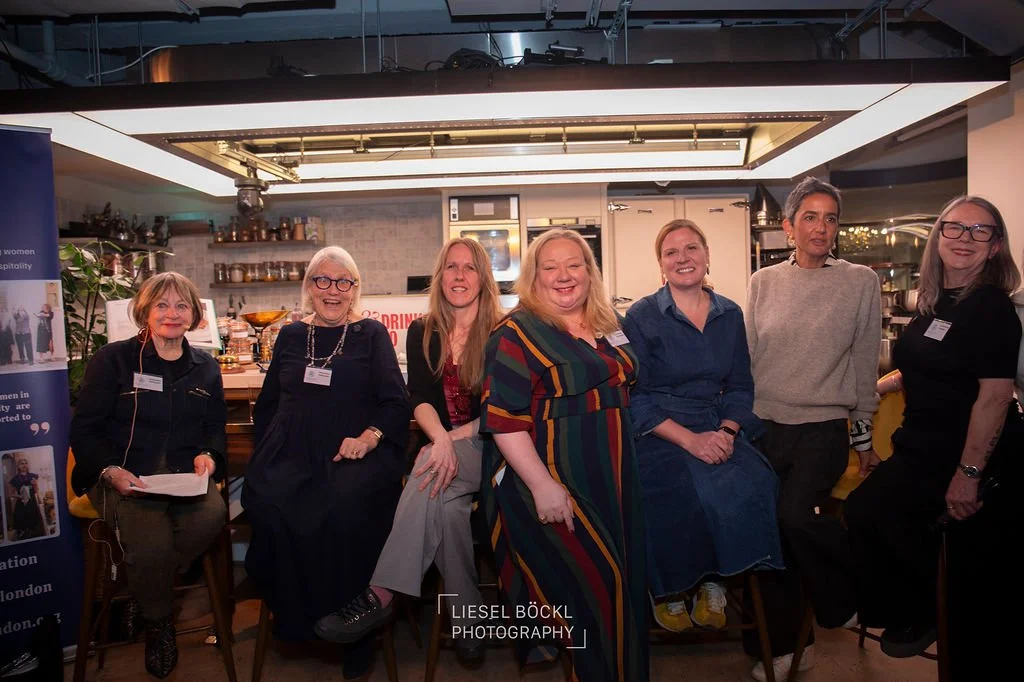
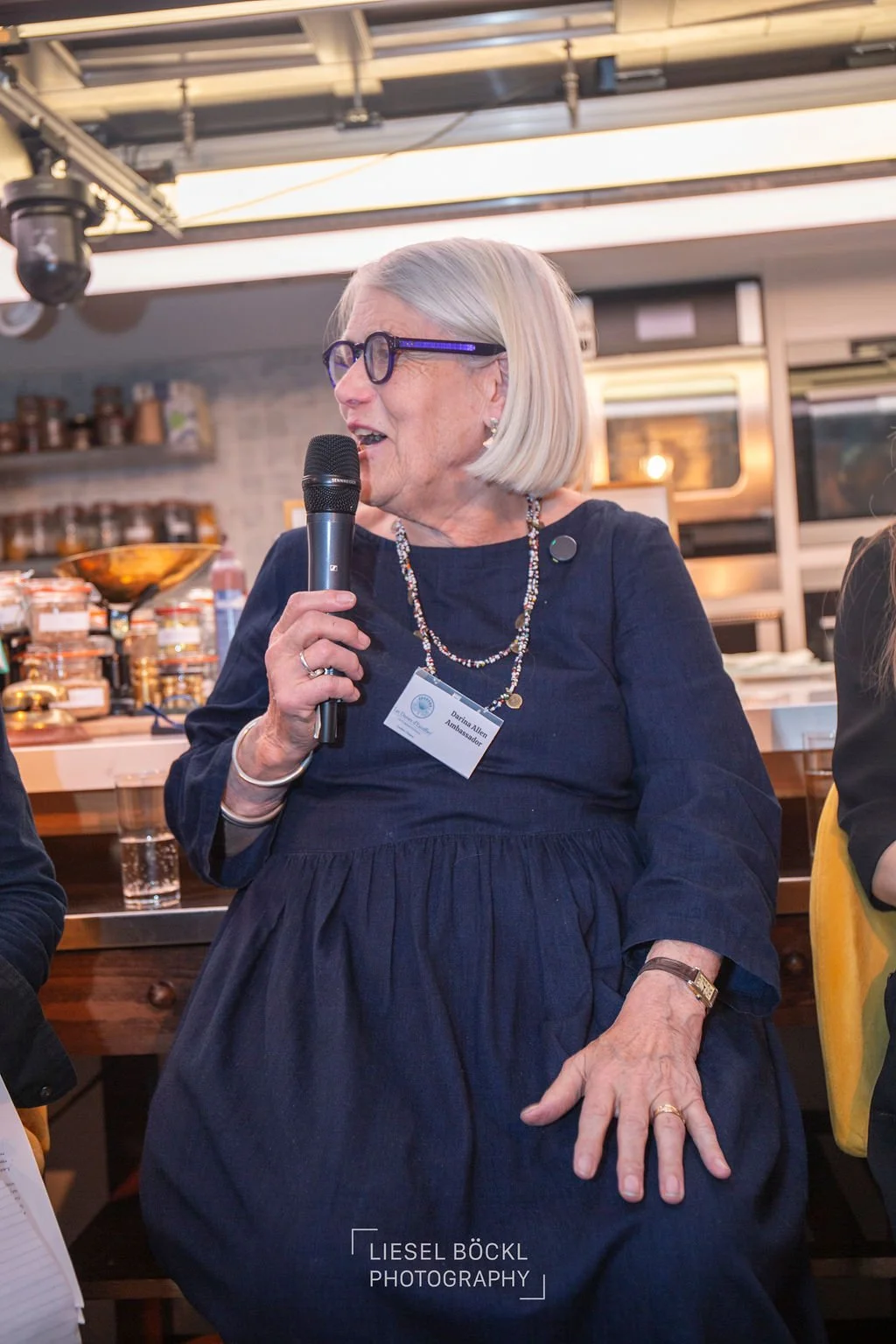
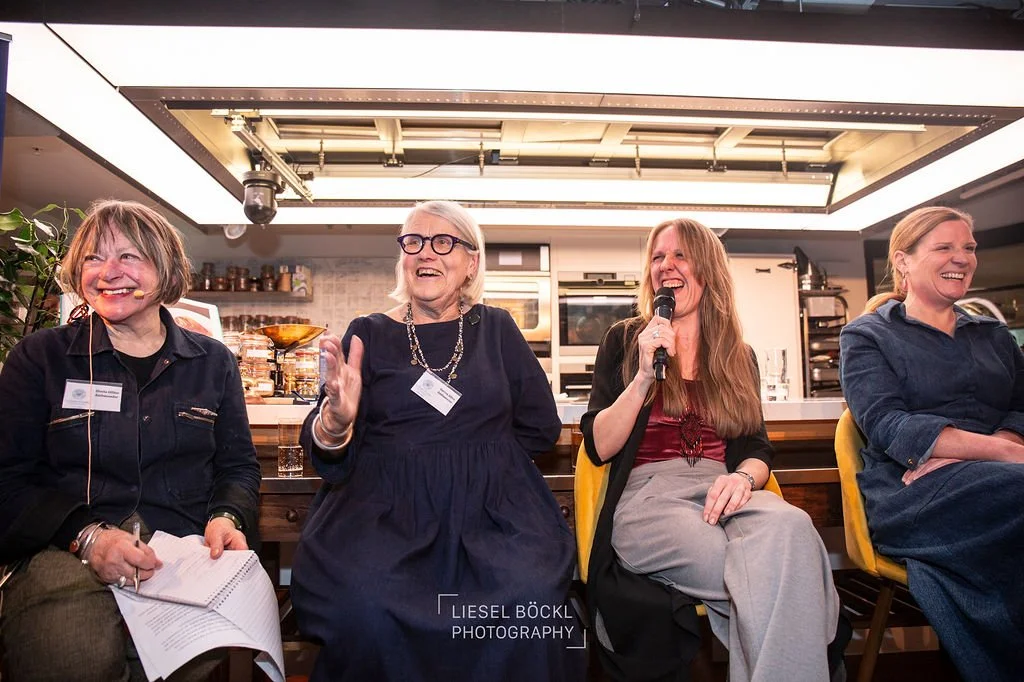
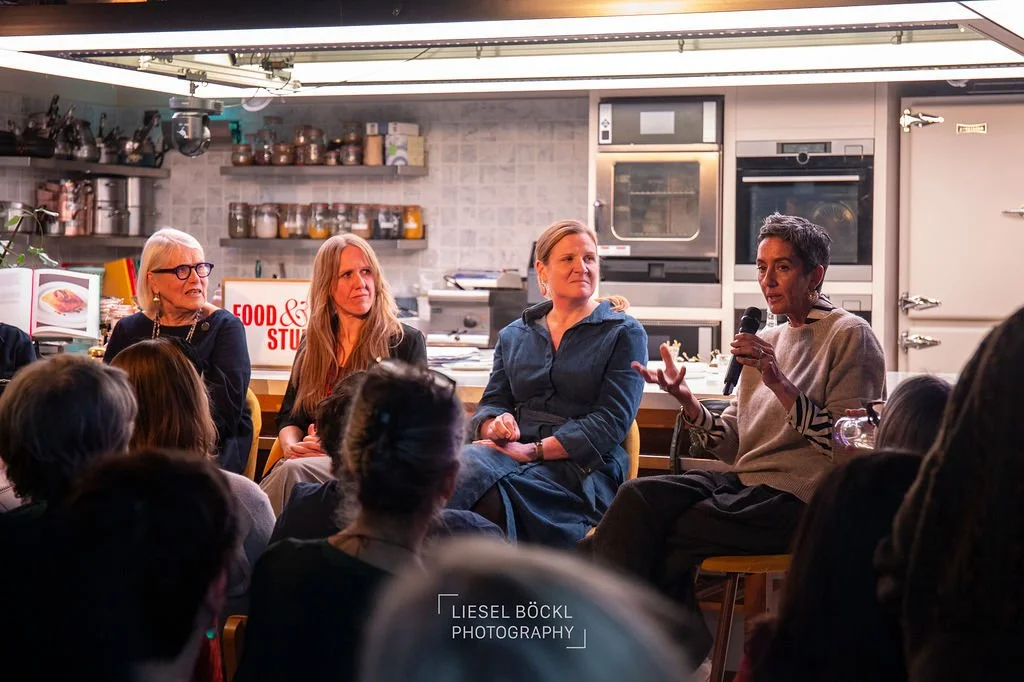
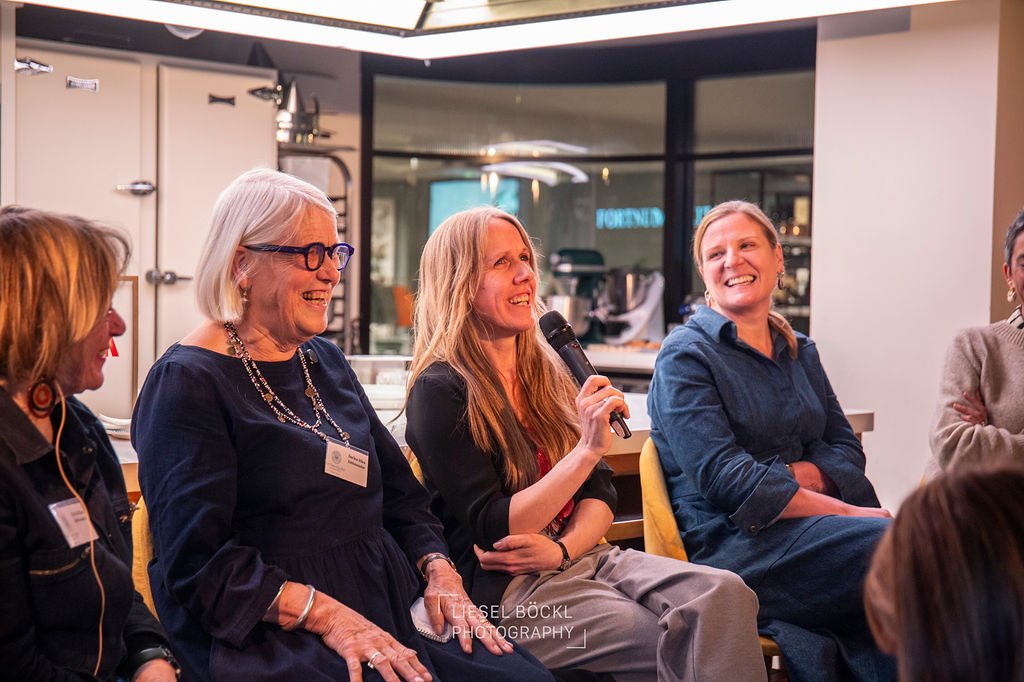
Les Dames d’Escoffier London’s celebration of International Women’s Day 2026 centred on a panel discussion at Fortnum & Mason’s Food Studio exploring ‘Feeding the Future: Women Leading the Next Food Revolution’. Hosted by LDE London Dame and The Food Programme’s Sheila Dillon, the discussion introduced four extraordinary women forging sustainable paths forward within a deeply problematic global food system while pushing for meaningful change: Darina Allen, founder of Ballymaloe Cookery School and Organic Farm School; Alice Favre, regenerative land, sustainability and community champion; Chantelle Nicholson, chef, restaurateur, author and advocate; and Geetie Singh-Watson MBE, pioneering ethical entrepreneur.
Sheila Dillon opened the discussion by highlighting how the current, economically inefficient and privately owned global food system is increasingly unsustainable. She questioned our ability to feed ourselves amid war, disease and climate change.
Can we do it differently?
She turned to the panel to explore how each of these women is working to reconnect food with nature.
Chantelle Nicholson reflected on the consequences of greater choice and cheaper food, suggesting it has left many consumers disconnected from the land. At her restaurant, 90% of fruit and vegetables are organic, biodynamic or low‑intervention. While she considers meat an important part of a healthy food system, she calls for greater understanding of the true costs faced by growers and farmers.
“I’m doing what my grandmother did not wasting food, being self-sufficient.”
Alongside her restaurant work, Nicholson collaborates with School Food Matters and Chefs in Schools to help children better understand flavour, taste and the realities behind food production, while also challenging the assumption that food should always be cheap.
Geetie Singh‑Watson, who buys directly from suppliers for all her restaurants, described growing up in a commune where connection to nature shaped her philosophy of food. She emphasised the importance of supporting grassroots producers from local markets to farmers and abattoirs. Her land provides space for independent growers who support one another and benefit from her experience and guidance.
“Our job is to prove this type of ethical farming is viable.”
Darina Allen spoke about reconnecting people with food through Ballymaloe’s organic farm school. She described the school — jokingly calling it her “revenge project” after suggestions she should retire — as part of a wider movement reconnecting people with the land. She also pointed to the growing homesteading movement, particularly in the United States, where increasing numbers of people are leaving cities in search of more meaningful ways of living and producing food.
“The big conversation now is the connection between health and the way we’re producing food.”
Alice Favre described her own realisation that she owned 900 acres of land but sold none of its produce in her village shop. Today she rents land to chicken farmers and vegetable growers and works to stock her shop with a diverse range of products at different price points. Some local customers have even begun shifting away from supermarket shopping entirely.
The conversation then moved to a common criticism of sustainable food systems that they are accessible only to the privileged few. Could such models work at scale?
Nicholson suggested that stronger support for local businesses could play a major role, while restaurants must build trust with suppliers and recognise the realities growers face. Singh‑Watson argued that wealthier consumers must change their behaviour and stop supporting supermarket dominance. Favre highlighted the importance of direct engagement with customers, continuing to work behind the till in her shop to talk with people about the food they buy.
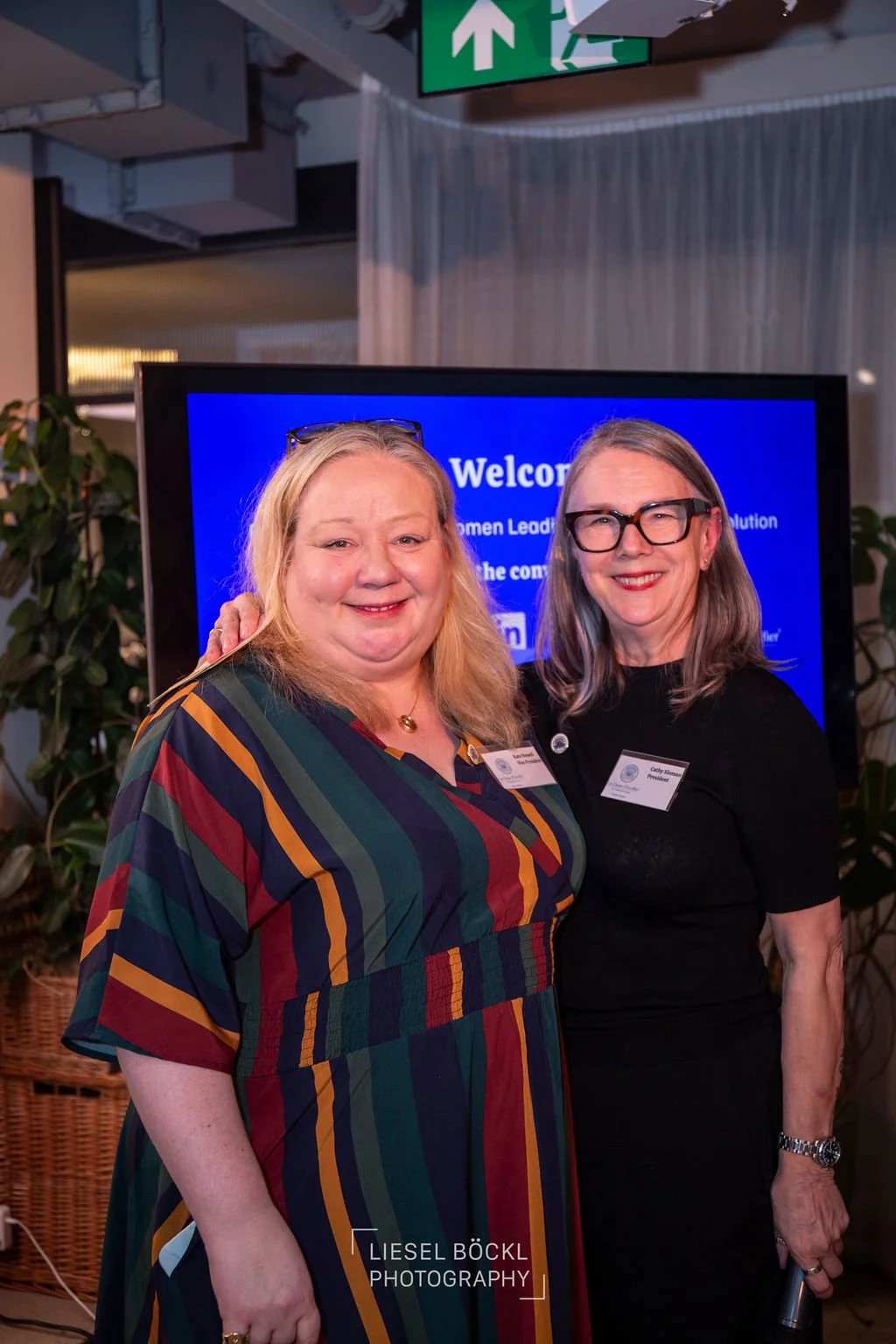
The evening concluded with a symbolic gesture: Dame Claire Daniels of Rull Orchard, a regenerative cider farm in Devon, had planted an apple tree for each panel member. LDE London President Dame Cathy Sloman then presented each speaker with a watercolour painted by Dame Elisabeth Luard, who had been quietly capturing the evening as it unfolded.
Her painting reflected the passion, energy and determination in the room enough, perhaps, to spark the beginnings of a food revolution.
Images credit: @lieselbockl
To find out more about our events pls visit our events page.